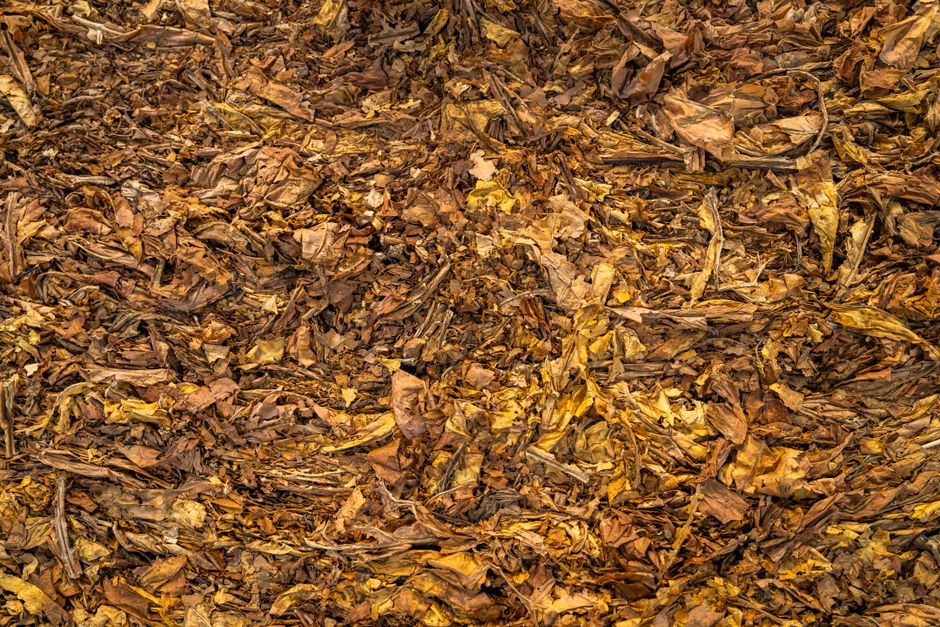
Composting is one of the simplest and most impactful things you can do for the environment. Food scraps make up about 24% of landfill waste, where they decompose anaerobically and produce methane, a greenhouse gas 80 times more potent than CO2. Composting diverts this waste and turns it into nutrient-rich soil amendment. Here is how to start, regardless of your living situation.
What Is Composting?
Composting is the natural process of organic material decomposing into humus, a dark, crumbly, earthy-smelling soil amendment. In nature, this happens on the forest floor over months and years. Composting simply creates the ideal conditions to speed this process up to weeks or months.
What You Can Compost
Composting works by balancing two types of materials:
"Greens" (Nitrogen-Rich, Wet)
- Fruit and vegetable scraps (peels, cores, rinds, stems)
- Coffee grounds and paper filters
- Tea bags (remove staples; check that bags are paper, not nylon)
- Fresh grass clippings
- Plant trimmings and weeds (that have not gone to seed)
- Eggshells (crush them first for faster breakdown)
"Browns" (Carbon-Rich, Dry)
- Dry leaves
- Cardboard (torn into small pieces, remove tape and labels)
- Newspaper (shredded)
- Paper towels and napkins (unbleached preferred, and only if not contaminated with chemicals)
- Straw and hay
- Sawdust (from untreated wood only)
- Dryer lint (from natural fabrics only)
What NOT to Compost
- Meat, fish, and bones: Attract pests and create odors (unless using a Bokashi system)
- Dairy products: Same issues as meat
- Oils and fats: Slow decomposition and attract pests
- Diseased plants: Can spread disease to your garden
- Pet waste: Contains harmful pathogens
- Treated or painted wood: Contains chemicals
- Glossy or coated paper: Contains inks and coatings that do not break down
Composting Methods
Method 1: Backyard Bin (Best for Houses with Yards)
The most common method. You need a bin (purchased or DIY) and a patch of ground.
- Choose a location: A level, well-drained spot with partial shade. Full sun dries out the pile; full shade slows decomposition.
- Start with a brown layer: Place 4-6 inches of dry leaves, straw, or cardboard at the bottom for drainage and airflow.
- Add in layers: Alternate layers of greens and browns, aiming for roughly a 3:1 ratio of browns to greens by volume.
- Keep it moist: The pile should feel like a wrung-out sponge. Water it if it gets too dry; add browns if it gets too wet.
- Turn regularly: Use a pitchfork to turn the pile every 1-2 weeks. This adds oxygen, which speeds decomposition and prevents odors.
- Harvest: Finished compost is dark brown, crumbly, and smells like earth. It takes 2-6 months depending on how actively you manage it.
Method 2: Tumbler Composting (Best for Small Yards)
Tumbler composters are enclosed drums on a frame that you rotate to mix the contents.
- Pros: Faster than bins (4-8 weeks), pest-resistant, tidy appearance, easier to turn
- Cons: More expensive ($75-200), limited capacity, can overheat in summer
- Best for: Suburban homes with limited space or HOA restrictions
Method 3: Vermicomposting (Best for Apartments)
Vermicomposting uses red wiggler worms to break down food scraps in a small bin that fits under a sink or on a balcony.
- Buy or build a worm bin with drainage holes and a lid
- Fill with moist shredded newspaper or cardboard as bedding
- Add about 1 pound of red wiggler worms (not earthworms)
- Bury small amounts of food scraps under the bedding every few days
- Worms eat their body weight in food daily and produce castings (worm poop), which is an incredibly potent fertilizer
A properly maintained worm bin should not smell. If it does, you are adding food faster than the worms can process it.
Method 4: Bokashi (Best for Meat and Dairy)
Bokashi is a Japanese fermentation method that can handle ALL food waste, including meat, dairy, and cooked food.
- Layer food scraps with Bokashi bran (inoculated with beneficial microbes) in a sealed bucket
- Press down to remove air and seal the lid
- Drain the liquid every few days (dilute and use as fertilizer)
- After 2 weeks, the contents are pre-composted (fermented) and can be buried in soil or added to a regular compost pile to finish
Troubleshooting Common Problems
| Problem | Cause | Solution |
|---|---|---|
| Smells bad (ammonia) | Too many greens, not enough air | Add browns, turn the pile |
| Smells like rotten eggs | Too wet, no air | Add dry browns, turn more frequently |
| Not decomposing | Too dry or too many browns | Add water and greens, turn the pile |
| Attracting fruit flies | Exposed food scraps | Always bury scraps under browns |
| Attracting rodents | Meat/dairy in pile or open bin | Remove prohibited items, use a closed bin |
| Pile is cold | Too small, too dry, or low nitrogen | Add greens, water, and build up volume (at least 3x3x3 feet) |
Using Your Finished Compost
- Garden beds: Mix 2-3 inches into the top layer of soil each spring
- Potted plants: Mix 1 part compost with 3 parts potting soil
- Lawn topdressing: Spread a thin 1/4-inch layer over your lawn in spring
- Mulch: Spread around the base of plants to retain moisture and suppress weeds
- Share: If you have more than you need, neighbors and community gardens will gladly take it
Related: 10 Easy Ways to Reduce Food Waste at Home (Save $400+/Year)
Related: How to Make Vegetables Last Longer in the Fridge
Composting is the natural next step after reducing food waste in your kitchen. Clove AI helps you use up food before it spoils with expiry tracking and recipe suggestions, and whatever scraps remain make perfect compost material.